Wedding dress codes can feel vague, intimidating, or wildly open to interpretation. If you’ve ever stared at a wedding invitation thinking, “What does cocktail attire even mean anymore?” – you’re not alone. And yet, they exist for a reason: to help guests show up looking appropriate, comfortable, and aligned with the vibe of the day.
Below is a breakdown of the most common wedding dress codes, what they actually mean in real life, and examples of what works (and what doesn’t).
Why Wedding Dress Codes Exist
Wedding dress codes aren’t about control – they’re about cohesion. Couples use them to set expectations, match the formality of the venue, and make sure guests feel confident walking in the door.
A Hill Country ranch wedding and a downtown ballroom affair deserve very different outfits. The dress code is your roadmap.
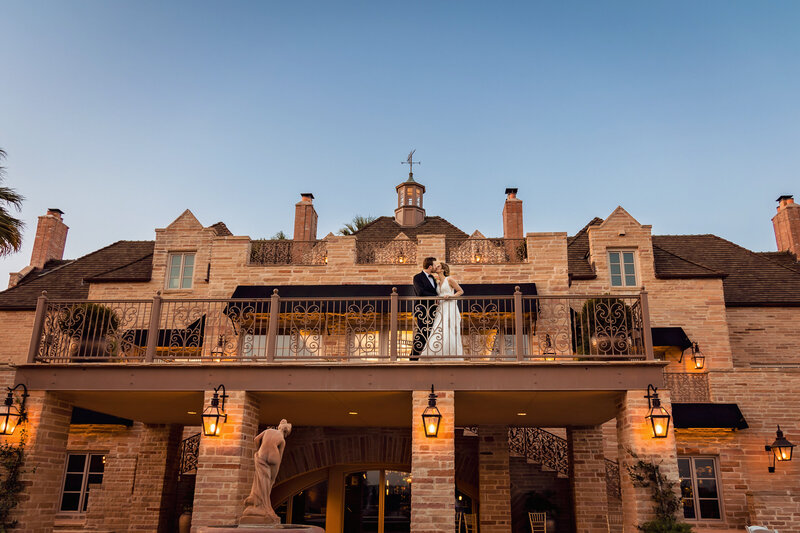
White Tie: The Most Formal of Them All
Vibe: Ultra-formal, rare, old-school elegance
Think: Royal gala, opera night, very fancy evening event
What to Wear:
- Floor-length ball gown
- Gloves optional but on-theme
- Formal heels
- Hair and makeup fully polished
For men:
- Black tailcoat
- White vest and bow tie
- Formal trousers
Example:
An evening wedding in a grand ballroom or historic estate with a seated, multi-course dinner.
This is the least common wedding dress code – if you see it, go all in.
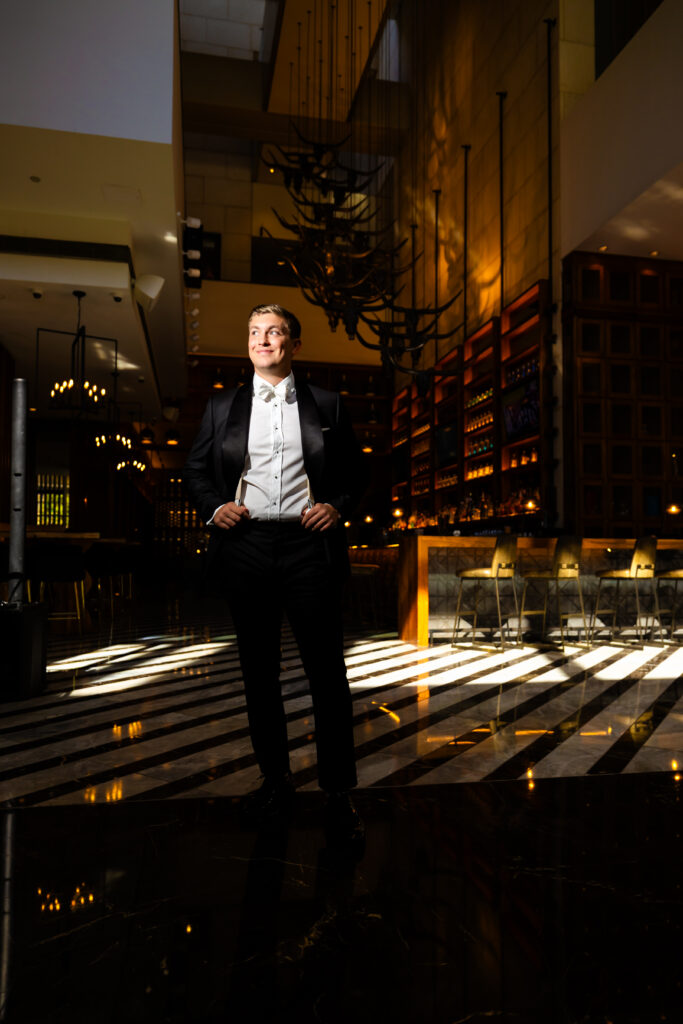
Black Tie: Formal, Polished, and Classic
Vibe: Elegant, timeless, evening-appropriate
What to Wear:
- Floor-length gown or elevated midi dress
- Luxe fabrics like satin, silk, velvet
- Heels or formal dress shoes
For men:
- Tuxedo or very dark suit
- Bow tie or formal tie
Example:
Evening weddings at hotels, ballrooms, or luxury venues.
If you’re choosing between two outfits, go dressier. Always.
Black Tie Optional: Fancy, With Flexibility
Vibe: Elevated, but not rigid
What to Wear:
- Long dress, midi dress, or very dressy cocktail dress
- Statement accessories welcome
For men:
- Tuxedo optional
- Dark suit with tie is perfectly acceptable
Example:
A formal wedding where the couple wants elegance without forcing tux rentals.
This is one of the most guest-friendly dress codes – classy without pressure.
Formal / Black Tie Creative: Elevated With Personality
Vibe: Formal, but expressive
What to Wear:
- Gowns or dressy midis with personality
- Bold colors, textures, or silhouettes
For men:
- Dark suit or tux
- Patterned jackets, fun ties, or unique accessories encouraged
Example:
A modern city wedding or stylish Hill Country venue where the couple values individuality.
This is where fashion-forward guests get to shine.
Cocktail Attire: Dressy but Not Over-the-Top
Vibe: Polished, celebratory, fun
What to Wear:
- Knee-length or midi cocktail dress
- Dressy heels, boots, or sandals
For men:
- Suit and tie or suit with open collar
Example:
Late afternoon or early evening weddings, indoor or outdoor.
Cocktail attire should feel intentional – not like office wear, not like a club outfit.
Semi-Formal / Dressy Casual: The Gray Area Explained
Vibe: Relaxed but still put together
What to Wear:
- Sundress, wrap dress, or dressy jumpsuit
- Nice flats or low heels
For men:
- Dress pants or chinos
- Button-down or blazer optional
Example:
Daytime weddings, smaller venues, or casual outdoor settings.
Still wedding-appropriate. Jeans are usually not implied here.
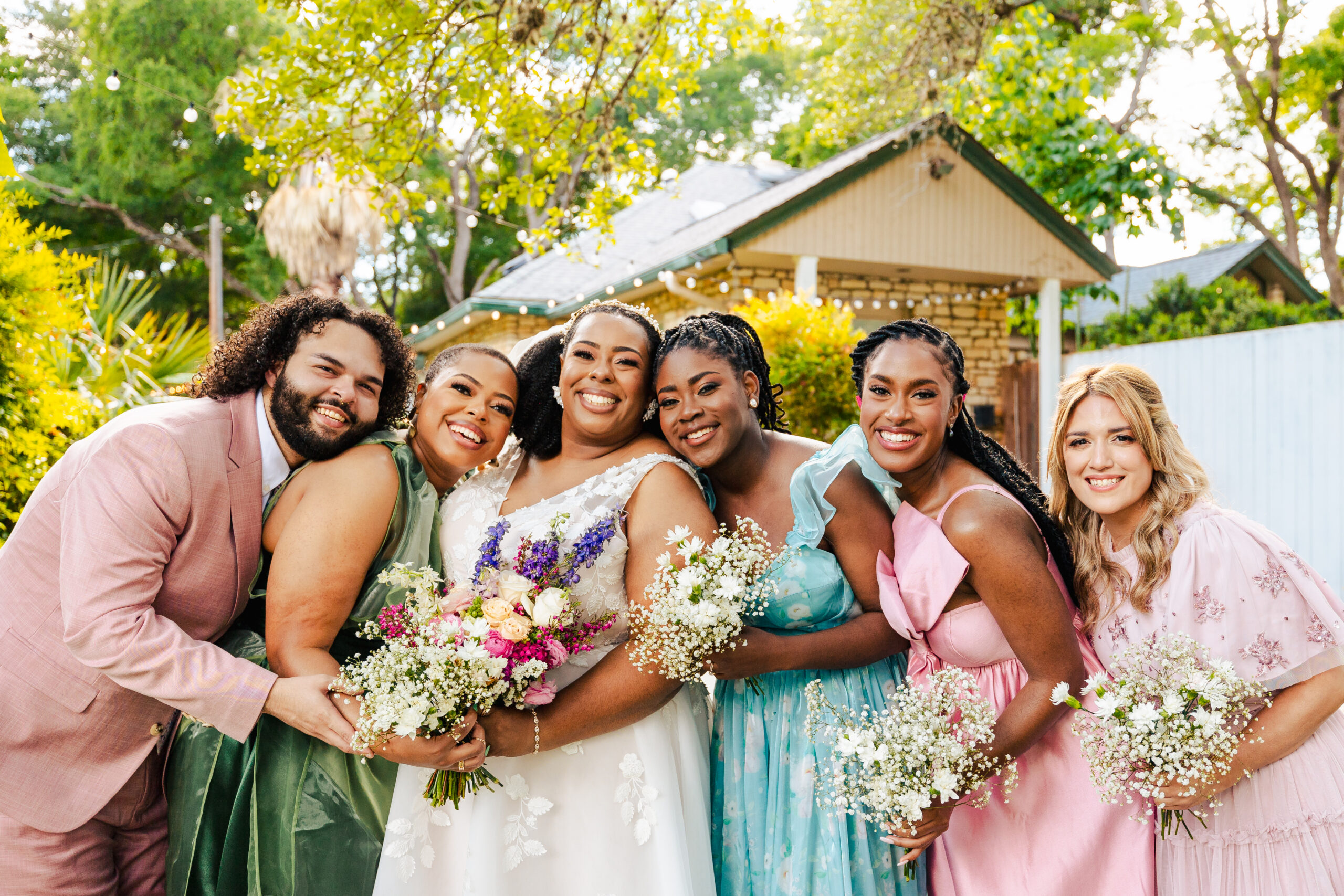
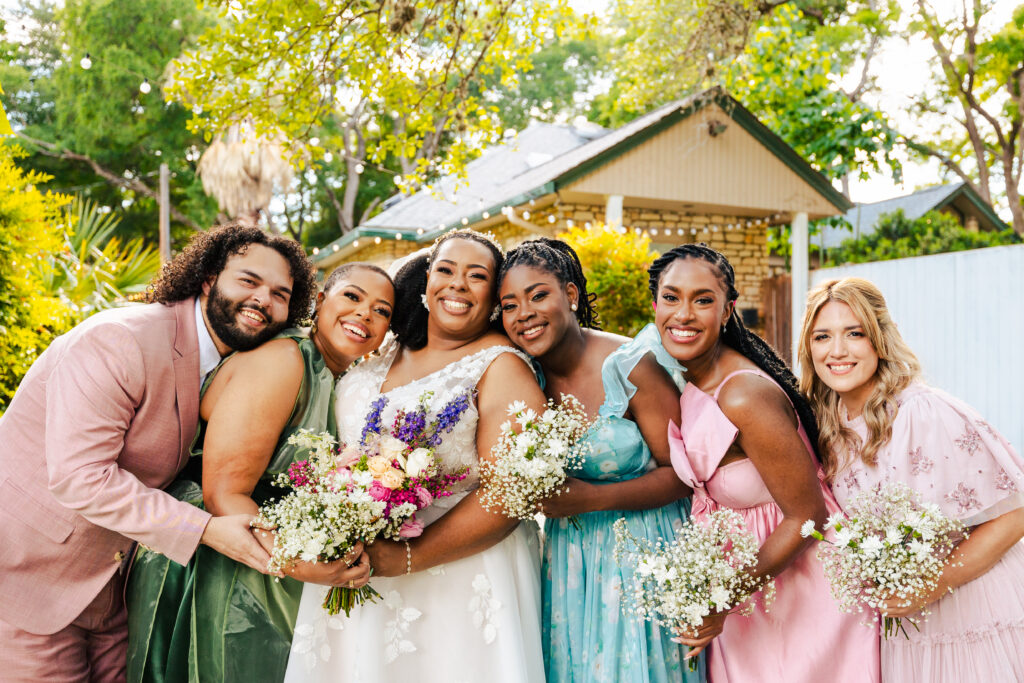
Garden Party / Outdoor Chic: Elevated and Seasonal
Vibe: Romantic, airy, daytime elegance
What to Wear:
- Floral dresses, light fabrics, soft colors
- Wedges or block heels for grass
For men:
- Light-colored suits
- Linen or breathable fabrics
Example:
Garden ceremonies, vineyard weddings, spring or summer celebrations.
Dress for the weather and the setting.
Beach Formal: Polished With Practicality
Vibe: Formal-ish, but coastal
What to Wear:
- Flowy maxi dresses
- Dressy sandals or wedges
For men:
- Light suit or dress pants with linen shirt
- Loafers or dressy sandals
Example:
Destination weddings by the water.
Formal doesn’t mean uncomfortable – it means intentional.
Casual: Relaxed, Not Sloppy
Vibe: Laid-back, comfortable
What to Wear:
- Sundresses, casual dresses, or elevated separates
For men:
- Slacks or chinos
- Button-down or polo
Example:
Backyard weddings, brunch weddings, very small gatherings.
Casual still means nice. This is not gym clothes territory.
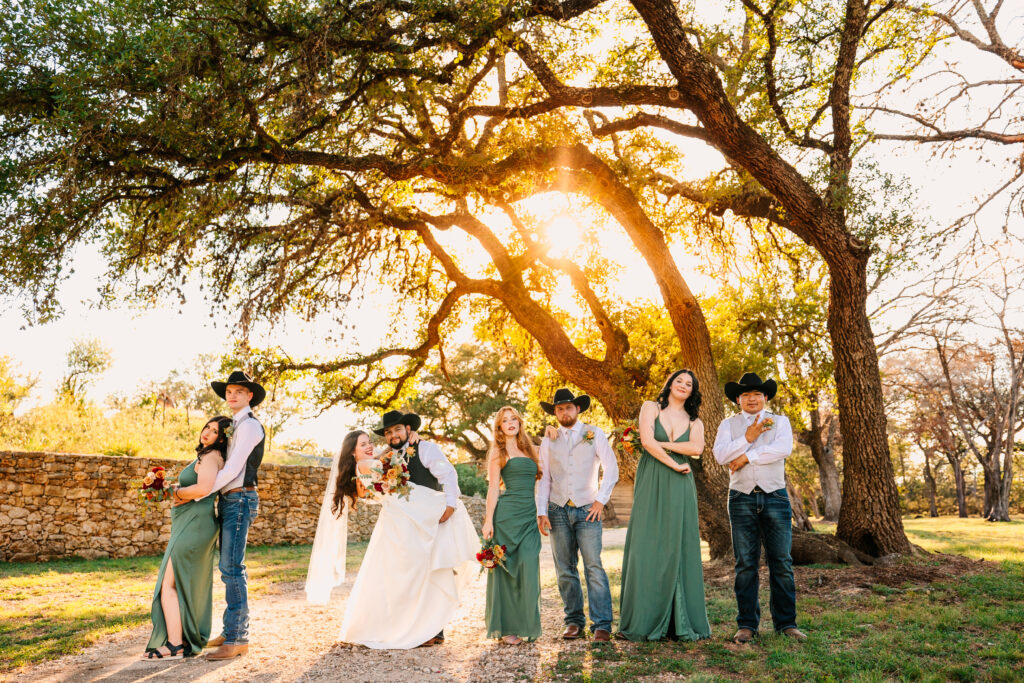
Western / Ranch / Country Chic
Vibe: Regional, stylish, fun
What to Wear:
- Dresses paired with boots
- Denim jackets or western accessories
For men:
- Button-downs, boots, cowboy hats (if specified)
Example:
Hill Country ranch weddings or western-themed celebrations.
Lean into the vibe without going full costume.
Themed Dress Codes: When the Couple Gets Creative
Vibe: Playful, intentional, unique
Examples:
- All black
- Disco glam
- Vintage-inspired
- Color palette dress code
If the couple specifies a theme, follow it. They mean it.
What to Do If You’re Unsure
- Check the venue – formality often matches the location
- Look at the time of day – later usually means dressier
- When in doubt, slightly overdress
- Don’t be afraid to ask the couple or wedding website
It’s always better to be a little too polished than underdressed.
The Biggest Wedding Dress Code Faux Pas
Let’s save you from the obvious mistakes.
1. Being Underdressed
This is the #1 offense.
It’s always better to be slightly overdressed than:
👉 the only person in a casual outfitEven experts say when in doubt — dress up, not down.
2. Ignoring the Venue
The invitation doesn’t always tell the whole story.
- Ballroom → go formal
- Backyard → relax a bit
- Ranch → polished but practical
The venue is your second dress code.
3. Wearing White (Just… Don’t)
Unless explicitly told otherwise:
👉 Avoid white, ivory, creamLet the couple have their moment.
4. Dressing for Instagram Instead of the Event
This one hurts to say, but it’s real.
If your outfit is:
- Too revealing
- Too loud
- Too attention-grabbing
…it pulls focus in a way that doesn’t feel great.
There’s a difference between stylish and disruptive.
5. Ignoring Comfort Completely
You’re going to:
- Stand
- Sit
- Dance
- Be outside
If you can’t move or breathe, it’s going to show.
And yes – that shows up in photos too.
How Dress Codes Affect Your Wedding (From a Photographer’s POV)
This is the part most people don’t think about.
Dress codes don’t just affect outfits – they affect:
- The overall aesthetic
- The energy of the room
- How cohesive everything looks in photos
A black-tie wedding feels different than a cocktail wedding.
A garden party feels different than a formal ballroom.And when guests align with the dress code?
👉 Everything looks more intentional
👉 The photos feel elevated
👉 The entire day feels more “put together”
Wedding dress codes are meant to help, not stress you out. Once you understand the language, it becomes much easier to choose an outfit that feels right – for you and for the celebration.
When in doubt, think: respectful, intentional, and celebration-ready.
That’s the goal every time.
Planning a Wedding With a Specific Dress Code?
If you’re trying to:
- Create a vibe that actually translates in photos
- Guide your guests without confusing them
- Build a wedding day that feels cohesive from start to finish
That’s where having the right photographer (hi 👋) comes in.
I don’t just show up and take photos – I help shape how your day looks and feels from the jump.
Most couples land somewhere in the $3,600–$6,500+ range, depending on coverage and experience.
If that feels like your vibe, let’s talk.