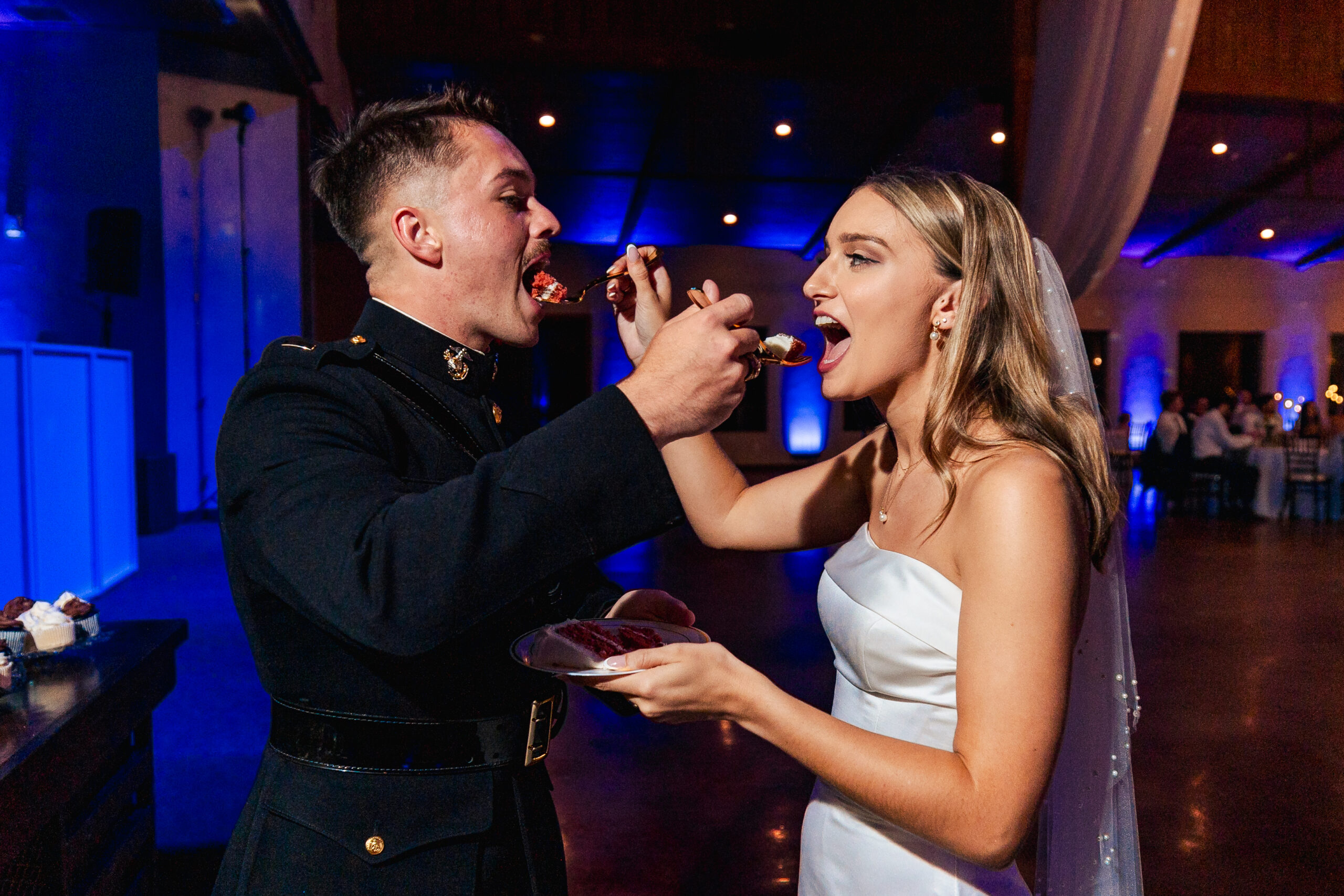
Here’s your permission slip: you do not have to do every wedding tradition. Or any of them, honestly.
Somewhere along the way, weddings picked up a lot of expectations. Traditions stacked on top of traditions until couples started planning a day that looked great on paper – but didn’t actually feel like them. Time gets eaten. Money disappears. Energy gets drained. And for what? A box checked that no one remembers?
This is your reminder that the only things worth keeping are the ones that genuinely excite you. Everything else? Optional at best. Let’s talk about the wedding traditions you can absolutely skip without guilt—and what you gain by doing so.
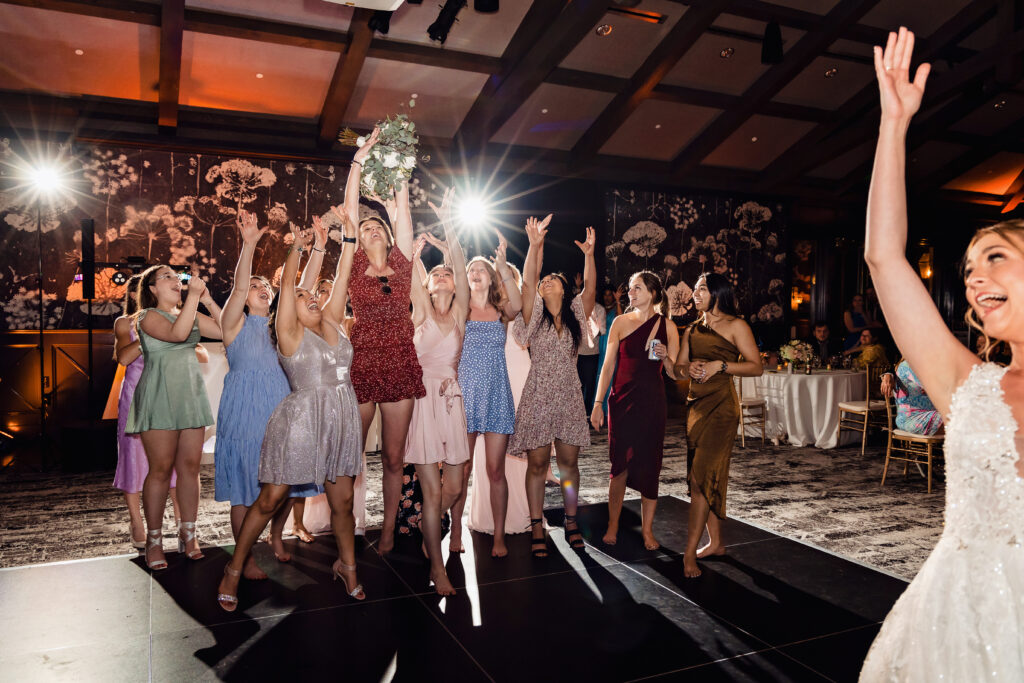
The Bouquet and Garter Toss
Let’s start with the obvious one.
The bouquet toss pulls people off the dance floor. The garter toss often makes half the room uncomfortable. And neither one actually adds much to the experience unless you’re truly into it.
Fun alternatives if you want a moment instead of a toss:
- T-shirt cannon
- Silent auction benefitting a cause (or your honeymoon) or raffle for the first dance
- Dance floor challenge (winner gets a prize, bragging rights, or the next round)
- Pay for the Pleasure QR Code at the DJ Booth to request songs you’d rather not (Cupid Shuffle, anyone?)
What you gain by skipping it:
- Better flow during the reception
- Less forced attention
- More time for dancing, mingling, and actual fun
If it doesn’t feel like your flavor of fun, skip it entirely. No one will mourn it.
Formal Receiving Lines
Standing in one place while every guest files past you like it’s a meet-and-greet at a conference? Hard pass.
Receiving lines are time-consuming and emotionally exhausting. You’ll barely remember what anyone said, and guests often feel rushed or awkward.
What to do instead:
- Photo Dash – let the guests come to you, without emptying your tank
- Mingle during cocktail hour
- Let conversations happen naturally
You’ll connect more deeply without feeling like you’re on display.
Overly Structured Ceremony Scripts
Ceremonies do not need to sound like a legal transcript from 1892.
If certain parts feel outdated, stiff, or completely disconnected from who you are, edit them. Or remove them. Guests stay engaged when ceremonies feel intentional and human.
Important practical note:
If you do personalize your ceremony – especially in non-traditional ways – keep your photo and video team in the loop.
True story: I once had a couple decide to kiss in the middle of the ceremony instead of at the end. Sweet? Yes. Unexpected? Also yes. We caught it, but it could’ve easily been missed.
If something is happening differently than expected, tell your vendors. Surprises are great for guests. Less great for timelines and coverage.
What you gain by trimming it down:
- A more personal experience
- Guests who stay engaged
- A ceremony that actually sounds like you
Shorter, intentional ceremonies almost always land better.
Unity Ceremonies (If They Feel Like a Placeholder)
Sand pouring. Candle lighting. Mixing wine. Tying knots.
Unity ceremonies aren’t bad – they’re just often added because couples feel like they should include one, not because it means something to them.
If it doesn’t resonate, skip it. A powerful ceremony doesn’t require a symbolic object.
If you do want one, make it personal. Something rooted in your real life together — not just something you found on Pinterest at midnight.
Excessive Signage
Welcome signs. Unplugged ceremony signs. Bar signs. Hashtag signs. Directional signs. Quotes on mirrors.
At some point, signage stops being helpful and starts being clutter. Most guests do not read it. And even fewer remember it.
What you gain by skipping extra signage:
- Lower décor costs
- Less setup stress
- A cleaner visual environment
If it’s not functional or meaningful, it’s not required.
Assigned Seating Charts That Take Forever
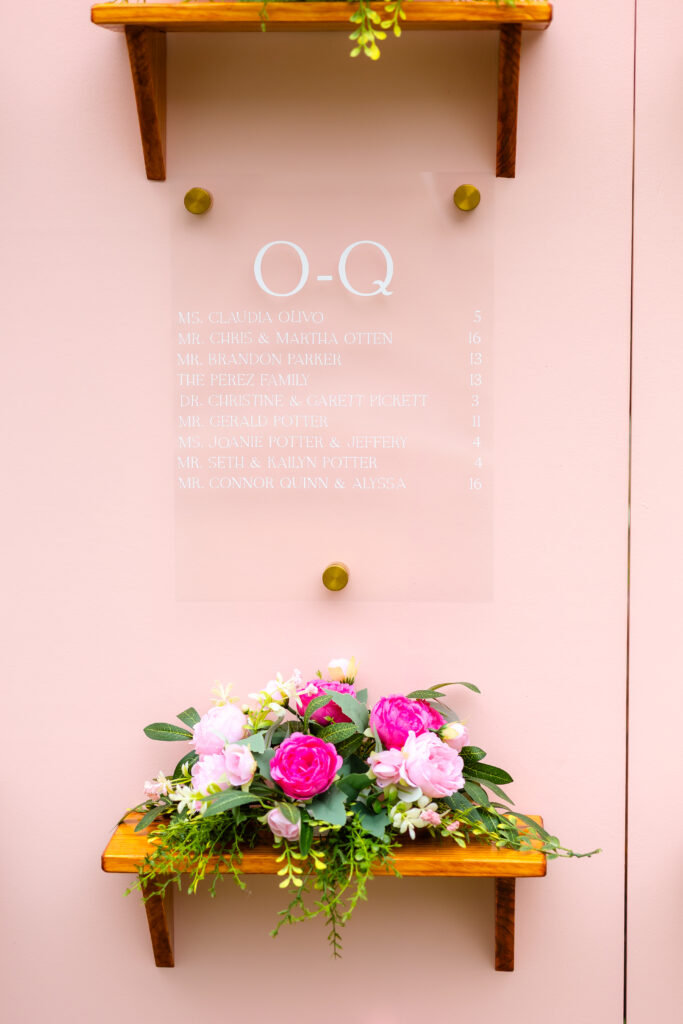
If your guest list is large and a seating chart is necessary, great – do it efficiently. But if you’re agonizing over every single pairing and table number, pause.
Guests mostly care about two things: sitting with people they know and having a place to sit.
Alternatives to consider:
- Assigned tables instead of assigned seats
- Family-style or cocktail-style seating
- Smaller tables with flexible arrangements
Perfection is not the goal. Comfort is.
The Cake Cutting
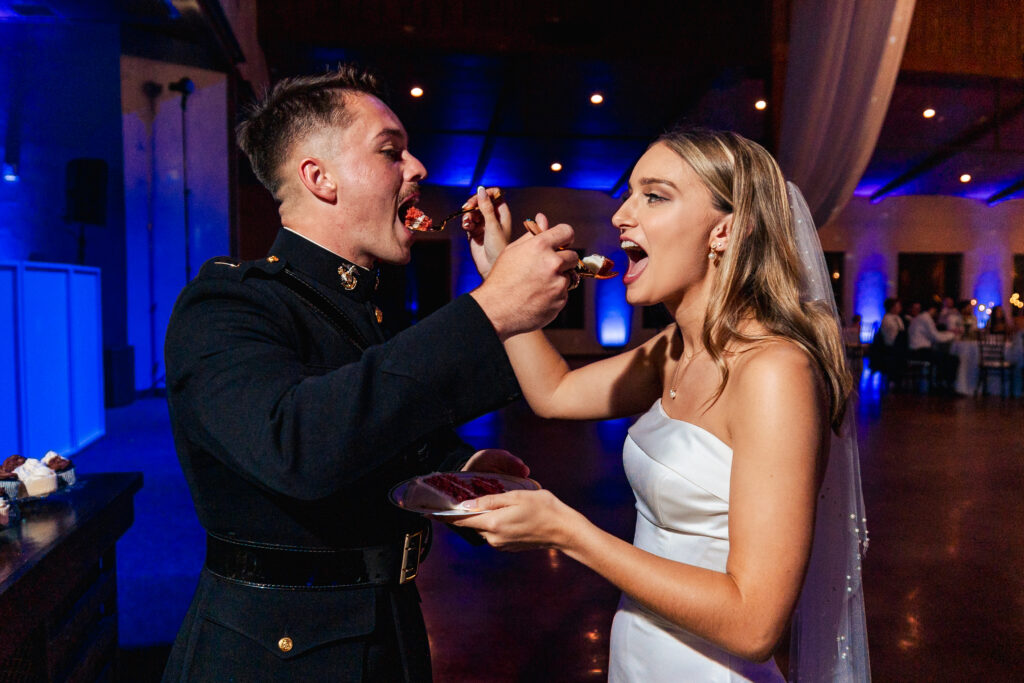
If cake isn’t your thing, you don’t need a ceremonial cake moment….it’s literally a photo op.
Guests will happily eat dessert without watching you feed each other a bite. And you’ll free up time for… literally anything else.
Better options:
- Serve dessert without announcement
- Do a private cake cut
- Skip cake entirely and choose a dessert you actually love
No one’s going to leave mad because there wasn’t a cake moment.
The Other Stuff (That You’re Allowed to Skip)
Some traditions are deeply cultural or family-specific – and if they’re meaningful to you, absolutely keep them. But if you’re doing them out of obligation? Reconsider.
Common examples:
- Shoe Game
- Snake Dance
- Dollar Dance
- Anniversary Dance
- Games that stop the party cold
These can be fun in the right context. They can also completely derail the vibe if they don’t fit your crowd or energy.
If you’re hesitating, that’s your answer.
Some Traditions Exist “Because You’re Supposed To”
This is the big one.
If you find yourself saying:
- “I guess we should do this…”
- “My mom expects it.”
- “Everyone does it.”
That’s your cue to stop and reassess.
Traditions that don’t resonate will always feel like a chore. And chores have no place on a day meant to celebrate your relationship.
A Note on Truly Meaningful Traditions
Here’s the difference between performative tradition and real tradition:
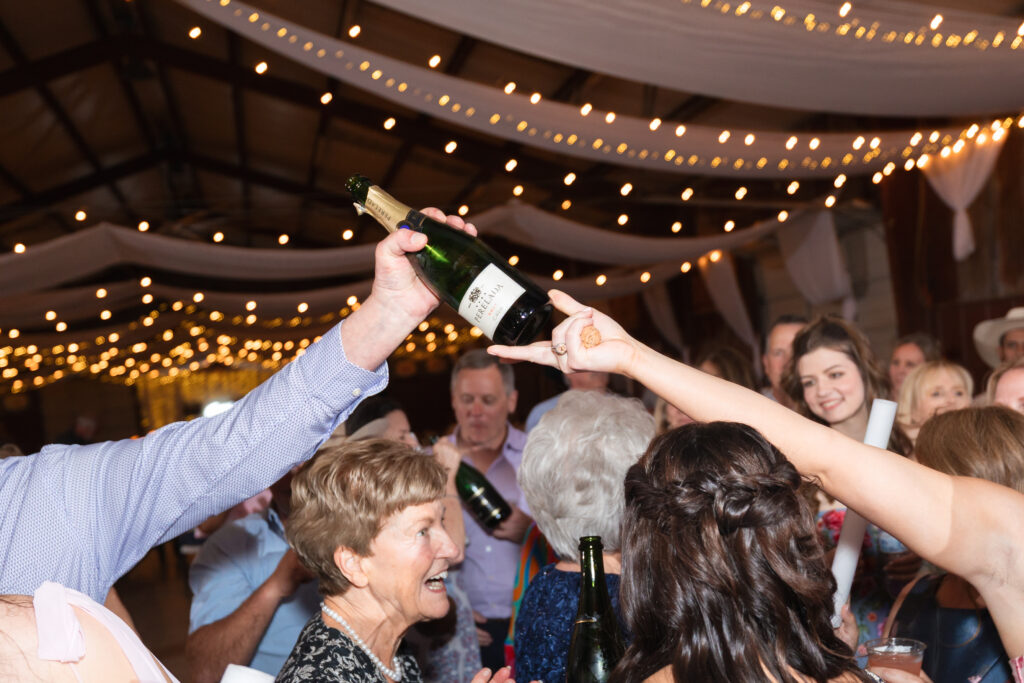
I once photographed a wedding where, during the reception, the couple opened bottles of champagne that had been part of their family celebrations for years. They passed them around. Everyone drank. No announcement. No script. Just connection.
It wasn’t for everyone. And that’s exactly why it worked.
That’s what real tradition looks like – something that means something to you, not something designed to entertain strangers.


What Happens When You Skip Wedding Traditions You Don’t Care About?
Here’s what actually happens when couples let go of unnecessary traditions:
- The timeline breathes
- The day feels lighter
- The party starts sooner
- The focus shifts back to connection
- The experience feels intentional instead of performative
You don’t lose meaning – you gain it.
Keep What Feels Right. Drop the Rest.
This isn’t about being anti-tradition. It’s about being pro-intention.
If a wedding tradition lights you up, keep it. If it doesn’t? Release it without guilt. Your wedding doesn’t need to honor expectations. It needs to honor you.
Spend your time, energy, and money on the moments that actually matter. The rest will not be missed.
For more tips on wedding planning, check out the blog.